Best practices for home water damage assessment in Bellingham
Learn how to assess water damage in your Bellingham home effectively, ensuring timely restoration and prevention of further issues.
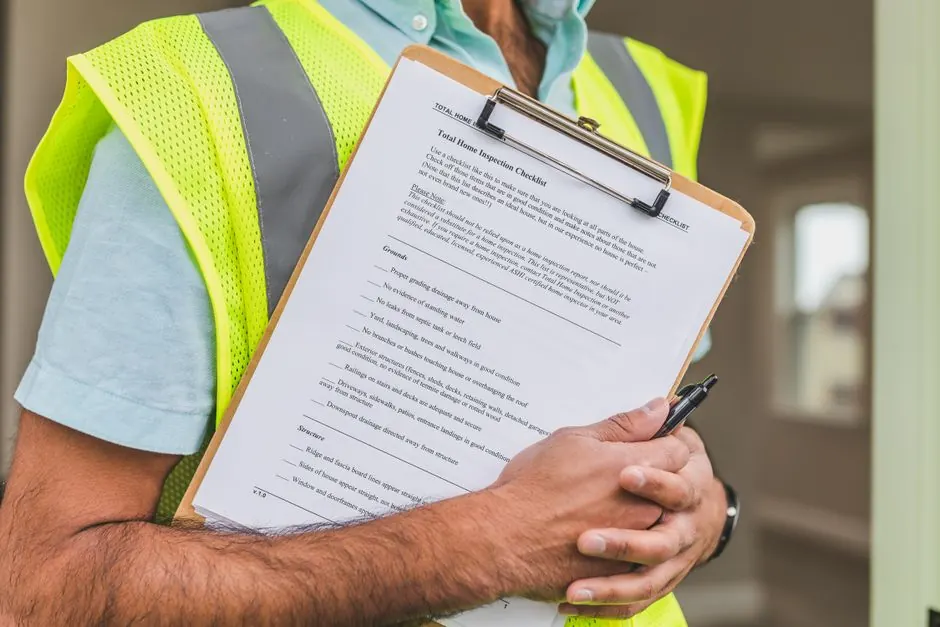
Home water damage assessment is crucial for identifying issues early and preventing costly repairs. In Bellingham, where heavy rains can lead to flooding, understanding how to assess water damage effectively can save homeowners time and money.
A water damage assessment is the process of inspecting a property to identify any signs of water damage and determine the extent of the damage. This assessment is essential for planning repairs and restoration efforts.
Why is water damage assessment important?
A timely water damage assessment helps homeowners mitigate further damage and health risks. In Bellingham, where moisture can lead to mold growth within 24-48 hours, acting quickly is vital.
How to identify water damage in your home
Identifying water damage involves looking for visible signs and understanding potential hidden areas. Here are key indicators:
- Stains on walls or ceilings: Yellow or brown stains can indicate water intrusion.
- Peeling paint or wallpaper: This can signal moisture buildup behind surfaces.
- Musty odors: A persistent smell often points to mold or mildew.
- Visible mold: Any mold growth should be investigated immediately.
- Warped floors: Buckling or sagging floors can indicate water damage beneath.
Common causes of water damage in Bellingham homes
Understanding common causes of water damage can help you be proactive. In Bellingham, homeowners often face:
- Heavy rainfall: Seasonal rains can overwhelm drainage systems.
- Snowmelt: Spring thaw can lead to flooding in basements.
- Pipes bursting: Older homes may have aging plumbing that fails.
- Roof leaks: Damaged roofs can allow water to seep in.
- Foundation cracks: Water can enter through cracks in the foundation.
Best practices for assessing water damage
Conducting a thorough water damage assessment involves several steps:
- Inspect the exterior: Look for pooling water around the foundation and check gutters for blockages.
- Check the basement: Look for signs of moisture or flooding and ensure proper drainage.
- Examine plumbing fixtures: Inspect sinks, toilets, and appliances for leaks.
- Look for hidden damage: Use a moisture meter to check walls and floors for hidden moisture.
- Document findings: Take pictures and notes to assist with restoration or insurance claims.
For significant issues, consider professional Water Damage Inspection in bellingham to ensure thorough assessment and remediation.
When to call a professional
If you discover extensive damage, persistent moisture, or mold growth, it's time to call a professional. Water damage restoration bellingham can help you navigate the complexities of repairs and insurance claims.
Frequently Asked Questions
1. How long does a water damage assessment take?
A typical assessment can take 30 minutes to a few hours, depending on the size of the property and extent of damage.
2. What does a water damage assessment cost?
In 2026, assessments typically range from $150 to $500, depending on the complexity and location.
3. Can I perform a water damage assessment myself?
While you can check for visible signs, a professional assessment ensures thorough detection of hidden issues.
4. How often should I assess for water damage?
Regular assessments are recommended at least once a year, especially before and after heavy rain seasons.
5. What happens after the assessment?
Following an assessment, a restoration plan is developed, often involving water extraction, drying, and repairs.
For expert assistance, contact Emergency Water Damage Restoration in bellingham to help restore your home efficiently.