Why is my basement flooding after heavy rain in Bellingham?
Learn why your basement may flood after heavy rain in Bellingham and how to address these issues effectively.
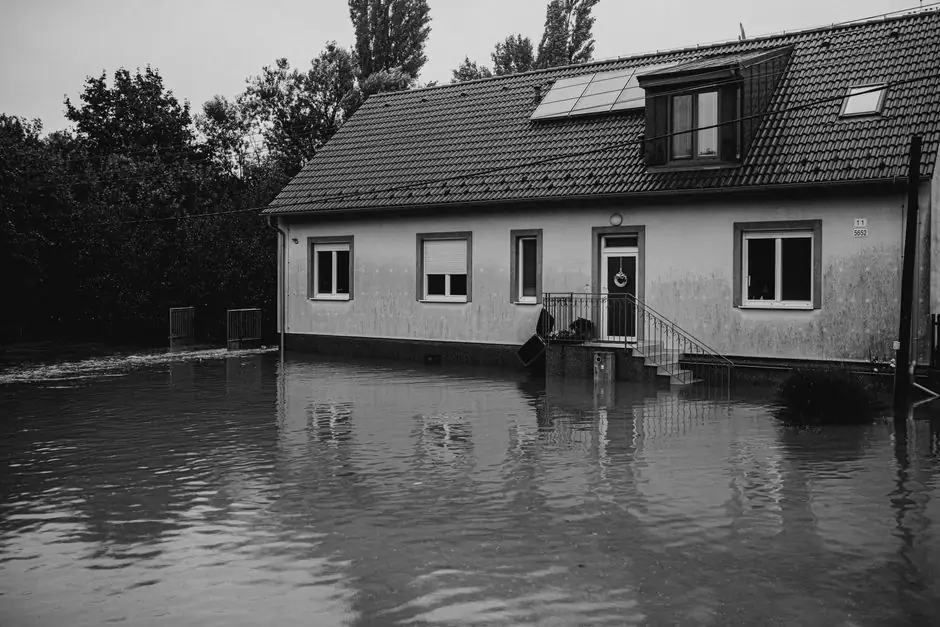
Basement flooding after heavy rain is often caused by inadequate drainage, poor grading, or structural issues. Understanding these factors can help you prevent water damage in your home.
This article explores the common causes of basement flooding in Bellingham, how heavy rain impacts your basement, and effective prevention strategies.
Understanding Basement Flooding
Basement flooding is a situation where water accumulates in the basement of a building, often due to external factors like rainfall or internal factors such as plumbing issues. In Bellingham, where heavy rain is common, homeowners must be vigilant about basement moisture.
Common Causes of Basement Flooding
Several factors can lead to basement flooding in Bellingham homes:
- Inadequate Drainage: If your property lacks proper drainage systems, water can pool around your foundation, eventually seeping into your basement.
- Poor Grading: The slope of your yard should direct water away from your home. Poor grading can lead to water pooling near the foundation.
- Cracks in Foundation: Over time, foundation cracks can develop, allowing water to enter your basement during heavy rains.
- Clogged Gutters: If gutters are blocked, they cannot direct water away from your home, leading to overflow and potential flooding.
- Old or Failing Sump Pumps: If your home has a sump pump that is malfunctioning or outdated, it may not effectively remove water during heavy rains.
How Heavy Rain Affects Your Basement
Heavy rain increases the volume of water that your property must manage. In Bellingham, rainfall can exceed 5 inches in a single storm. This sudden influx can overwhelm drainage systems and cause water to back up into basements.
Additionally, the ground can become saturated, leading to increased hydrostatic pressure against your foundation walls. This pressure can force water through cracks or openings, resulting in flooding.
Preventing Basement Flooding
To minimize the risk of basement flooding, consider the following strategies:
- Install a Sump Pump: A reliable sump pump can help remove excess water from your basement. Ensure it is regularly maintained.
- Improve Drainage: Invest in proper drainage solutions, such as French drains or surface drains, to redirect water away from your home.
- Regular Maintenance: Clean gutters and downspouts regularly to prevent clogs. Ensure they direct water at least 6 feet away from the foundation.
- Seal Cracks: Regularly inspect and seal any cracks in your foundation to prevent water intrusion.
- Check Grading: Ensure your yard is graded to slope away from your home, preventing water from pooling near the foundation.
When to Call a Professional
If you experience frequent flooding or cannot identify the cause, it may be time to call a professional. Experts in water damage restoration in Bellingham can assess your situation and recommend effective solutions.
Frequently Asked Questions
1. How can I tell if my basement is flooding?
You can tell if your basement is flooding by checking for standing water, dampness on walls, or musty odors. Regular inspections help catch these issues early.
2. What should I do if my basement floods?
If your basement floods, turn off power to the area, remove valuable items, and contact a professional for Emergency Water Damage Restoration in Bellingham.
3. How much does basement flood restoration cost?
The cost of basement flood restoration in Bellingham typically ranges from $1,500 to $5,000, depending on the extent of the damage and necessary repairs.
4. Can I prevent basement flooding?
Yes, you can prevent basement flooding by maintaining gutters, installing sump pumps, and ensuring proper drainage away from your foundation.
5. How often should I inspect my basement for water damage?
Inspect your basement at least twice a year and after heavy rains to catch any potential issues early.